Departments
Run Your Meat Department on Afresh
Afresh uses grocery-specific AI for smarter store ordering, cutting, and inventory management, and DC buying for teams behind the counter.
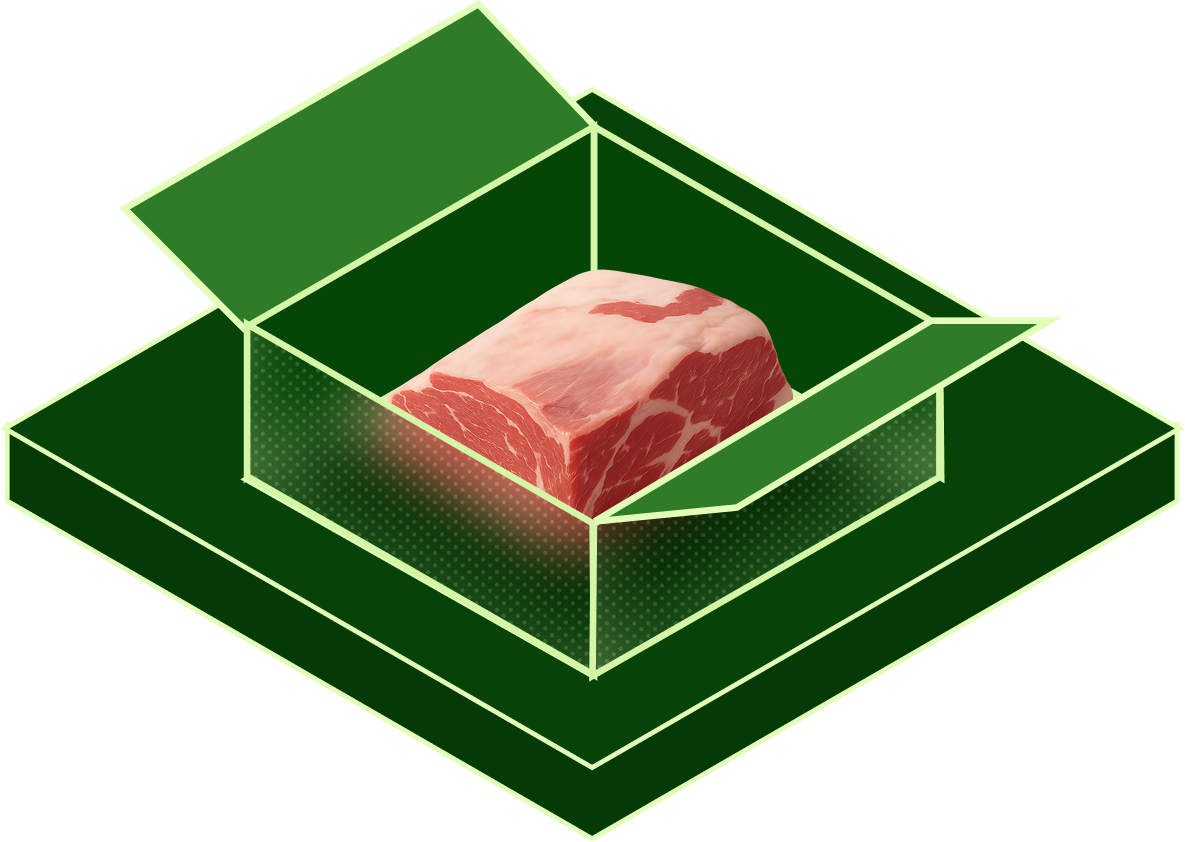
Afresh uses grocery-specific AI for smarter store ordering, cutting, and inventory management, and DC buying for teams behind the counter.
Meat is one of the highest-shrink departments in the store. Experienced cutters are harder to keep on staff, primals are expensive, and every cutting decision rides on what someone thinks will sell that day.
Whole primals get opened when the waste will outweigh sales
Darkening meat and markdowns in the case by the afternoon
Primal orders can’t account for all retail cuts, yields, and trim loss
Primal-to-cut intelligence, real yield data, and automated production plans
Afresh uses meat-specific intelligence to deliver more accurate orders and production plans, improving margins for every item in the case.
Production plans tell cutters what to cut, from which primal, and when, so you sell through more product before opening more
Cutting recommendations account for true yield, trim loss, and demand, so stores open the right primals and stop overproducing
Orders trace every retail cut sale back to the primal it came from, replacing guesswork with precise inventory and demand signals
Store and DC decisions stay connected so the right primals show up in the right quantities
Your meat department receives whole bone-in beef rib primals and cuts them into ribeye steaks, rib roasts, and bone-in rib steaks. Usable trim goes to ground beef. Here's how Afresh handles it, from primal orders to the service case.
Store Ordering
The right quantities to meet demand, every time
Afresh traces every retail cut sale back to the primal it came from. When customers buy ribeye steaks, that demand maps to the bone-in rib primal that Afresh suggested to cut from, factoring in yield loss and supplier differences.
Inventory Management
Always know what's in the cooler
The system’s inventory models know your store has three whole bone-in ribs in the cooler and yesterday's rib roasts approaching their sell-by window. Every order and production recommendation reflects what's actually on hand and how long it has left.
Production Planning
What to cut, from which primal, and when
Each store sees daily cutting plans. If ribeye steaks are on ad, the plan adjusts rib roast and bone-in steak quantities based on what the rest of that primal will produce. Trim gets routed to ground beef and the full primal gets used.
Period Ending Inventory
Accurate counts with less work
Afresh builds a real-time inventory model that updates with every count. At the end of a period, store teams see pre-populated inventory estimates for bone-in rib primals still whole in the cooler.
DC Buying
Store and DC decisions stay connected
When ribeye demand shifts across stores, upstream purchase orders for bone-in rib primals adjust automatically. The buyer's recommendation reflects what every store actually needs, with lead times and supplier constraints factored in.
From steaks to cereal, discover how Afresh improves margins across every aisle.